
Benefits of Hiring Professional Experts for Car Aircon Repair Service
March 16, 2022
How Long Does A Car Battery Last?
July 22, 2022Should You Replace Or Repair Your Car?
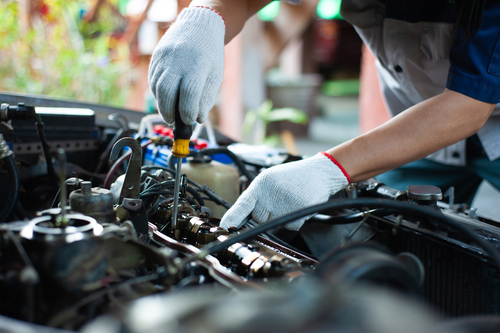
Should You Replace Or Repair Your Car? To replace or repair a car is a decision many people have to make. However, there are many considerations to consider before concluding. Here is the guideline for what you should think about when deciding whether or not to replace or repair your car.
When we need major repairs on our cars, and we can’t afford them, the question arises: should I replace or repair my car? While it might seem easier to buy a new car, you might be surprised by what you’ll find if you decide to try repairing it instead.
Factors To Consider

There are some things to think about when you decide whether or not to replace or repair your car. Some of the factors you’ll want to consider include:
1. The initial cost of replacement or repair.
To replace or repair your car, you’ll need different costs. The old cliché is true; you get what you pay for, so the more money invested upfront, the better the quality of your vehicle will be in both cases. You might be able to negotiate a better price for your car if you decide to go with repairs, though.
2. How long does it take?
When you have the money or are getting financing for a new car, you’ll have the best results if you get one right away. If you decide to repair your vehicle first, it could take several months for your car to be good as new. The truckers’ secret is that they have their cars maintained every four or five months. If you decide to repair your car, your mileage may vary, and you can expect it to cost more than what you would’ve paid if you had just replaced your car.
3. The resale value.
Having your engine repaired or replaced can affect the resale value of your car if you decide not to sell it before that is necessary. The repair price should be higher than what you would’ve paid if you had just replaced your car.
4. The cost of insurance.
Insurance may be cheaper with a repair than what it would’ve been with a new car, but insurance is also more expensive with a used car than with a brand new one.
5. How much do you value usage over money?
If you value the time you spend behind the wheel more than your money, a repair might be right for you. However, if you value having a nice car with all its bells and whistles, then replace it. Since most people don’t value usage over their money, they will go with what they can afford in terms of cost and make sure it’s something that will last them as long as possible.
6. The possibility of dangerous repairs.
If this is an issue for you, you should consider whether or not there is a danger in doing repairs instead of replacement. If you want your car to keep its value until it goes up for auction and stay safe from the dangers of accidents, don’t repair it.
7. The cost of parts is a factor to consider, especially if you’re going for repairs.
If you need an expensive part of your engine or something else fixed, you’ll pay lots of money in advance.
8. What are your payment patterns?
If you can’t afford a whole new car, it might be better to go with repairs for your old car if that’s what you can afford. It will allow you to make smaller payments until you can get a new car.
Benefits of Repair
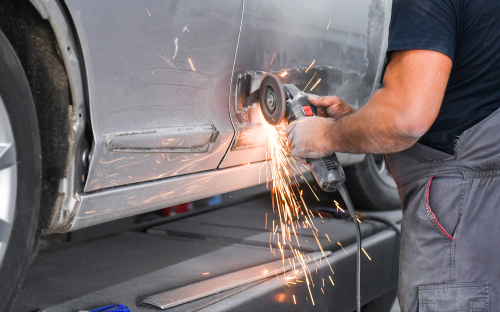
The benefits of repairing your car include:
1. Saving money.
The time and cost for repairs are less. If you can fix a car yourself, you might save a significant amount of money, depending on the extent of needed repairs. You’ll have to pay for labor, parts, and even some tools, but if you’re doing it yourself, you might be able to save quite a bit of money.
2. Getting the car to work again.
If your car is old and you need to replace parts, it might take a while before you can get it ready for use again. When a car is in poor condition, you can often get it fixed in just a few days or do some repair work yourself and have the parts taken care of.
3. Getting back on the road fast.
If you don’t need your car right now, instead of waiting for a new car to be available, you can get back on the road with your car in just a couple of days. If you repair your vehicle and have it inspected by a mechanic first, it won’t cost as much to get it ready for use.
Factors Against Repair
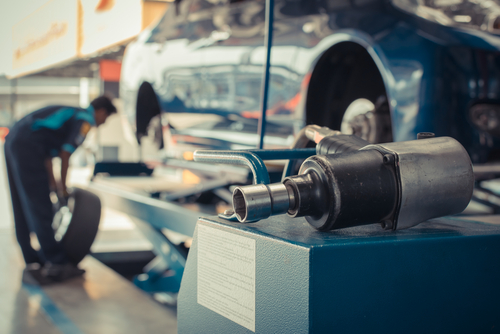
You should also consider the factors against repairing your car if you are choosing to go this route:
1. The costs of repairs.
If you decide to do it yourself, you’ll want to plan to set up a workspace and make sure that you have all the tools, parts, and supplies you need. However, if your vehicle is older, it could be challenging to get your car back in working order. You might need a great deal of spare time and money to repair your car on your own.
2. No warranty.
If you decide to repair your vehicle instead of replacing it soon, there won’t be any warranty on the work that you do to your vehicle. It can make it even more expensive if you have to fix something major.
3. If a new car is required.
If you are buying a new car because of the need for better reliability or fuel economy or something else that goes beyond just a car, repairing your car in favor of replacing it will not save any money for you in the long run.
4. Once you fix one thing, another will break.
If you decide to repair your car instead of replacing it, you’ll need to have a good idea of the parts that are likely to fail soon and prioritize those repairs. Eventually, if you aren’t replacing those parts and if they aren’t properly maintained, something else will go wrong, and you will have a new problem on your hands.
5. The safety factor.
The safety of the repair when it comes to replacement is much less certain than the safety and reliability of a repair that keeps on working for as long as possible.
Should You Replace Or Repair Your Car? – Conclusion
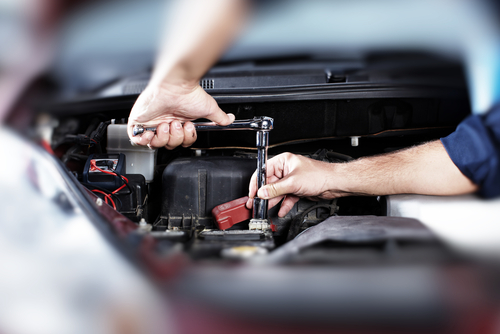
To sum it up, Your decision to replace or repair a car will depend on the individual and will include several factors, such as the age of your vehicle, current or future needs of your car, and special circumstances around these. It’s all about what is best for you and considering both costs and benefits.