

Why Skipping Regular Car Service Can Lead to Costly Repairs
October 27, 2024Automatic vs Manual Transmission Servicing
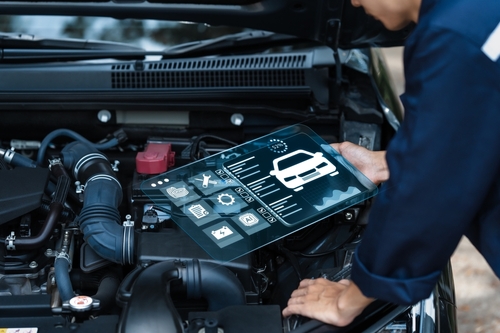
Automatic vs Manual Transmission Servicing
Automatic vs Manual Transmission Servicing. Maintaining your vehicle’s transmission is crucial for ensuring smooth performance and prolonging the life of your car.
Whether your vehicle has an automatic or manual transmission, regular servicing is essential to avoid costly car repairs and breakdowns.
However, the way you care for these two types of transmissions differs significantly.
Understanding the key differences between automatic and manual transmission servicing can help you keep your vehicle in optimal condition and avoid common transmission-related problems.
What Is a Transmission and Why Is It Important?
Before diving into the specifics of servicing, it’s essential to understand the role of the transmission in your vehicle.
The transmission is responsible for transferring the power generated by the engine to the wheels, allowing the car to move at various speeds.
It regulates the amount of power delivered to the wheels depending on the gear the car is in, ensuring that the engine operates efficiently at different speeds.
Automatic vs. Manual Transmissions
- Automatic transmission: In an automatic transmission, the vehicle shifts gears on its own based on driving conditions. Drivers don’t need to manually change gears, making the system more convenient for urban driving and traffic conditions.
- Manual transmission: A manual transmission requires the driver to manually engage and disengage gears using a clutch pedal and a gear stick. This gives the driver more control over the vehicle’s performance, making it popular among driving enthusiasts.
Key Differences in Transmission Servicing
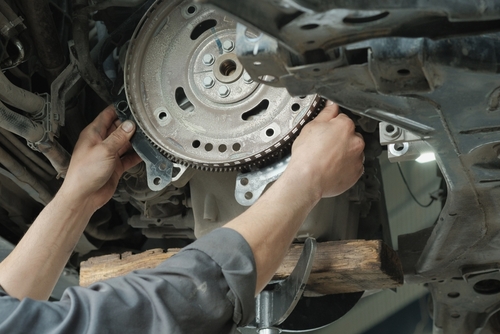
Both automatic and manual transmissions require regular maintenance, but the type of service they need, the components involved, and the frequency of car servicing differ between the two systems.
Below are the primary differences in how each type of transmission is serviced.
1. Fluid Types and Maintenance
Automatic Transmission Fluid (ATF)
In an automatic transmission, automatic transmission fluid (ATF) is essential for lubricating the moving parts, cooling the transmission, and providing hydraulic pressure needed for gear changes.
The fluid plays a critical role in the operation of the entire transmission system.
- Servicing requirements: Automatic transmission fluid needs to be checked and replaced more frequently than manual transmission fluid. In general, automatic transmission fluid should be changed every 30,000 to 60,000 miles or as recommended by the vehicle’s manufacturer.
- Fluid degradation: Over time, ATF can degrade due to heat and friction, leading to poor transmission performance, hard shifting, or transmission slippage. Regular fluid changes help prevent these issues.
Manual Transmission Fluid
Manual transmissions also use transmission fluid, but its role is mainly to lubricate the gears and prevent wear. The fluid in a manual transmission doesn’t break down as quickly as ATF because the system generates less heat.
- Servicing requirements: Manual transmission fluid generally needs to be changed less frequently than automatic fluid. Typically, it should be replaced every 30,000 to 60,000 miles, although some manufacturers recommend longer intervals.
- Fluid degradation: While manual transmission fluid lasts longer, it can still degrade over time, especially if the transmission is subjected to heavy use. Regular fluid checks can ensure it remains at the proper level and retains its lubricating properties.
Gear and Clutch Wear
Automatic Transmission Gears
Automatic transmissions rely on a series of gears, clutches, and bands to change gears. The system is controlled by hydraulic pressure, and the transmission shifts gears without driver intervention.
- Common wear issues: In automatic transmissions, the clutches and bands can wear out over time, especially if the transmission fluid isn’t maintained properly. If the fluid becomes dirty or breaks down, it can lead to premature wear of these components, resulting in shifting issues or transmission failure.
- Servicing: In addition to fluid changes, automatic transmissions may require the replacement of worn-out parts like clutch plates or bands. A professional technician can inspect the transmission for signs of wear and recommend repairs as needed.
Manual Transmission Clutch
In a manual transmission, the driver manually engages and disengages the clutch to shift gears. The clutch connects the engine to the transmission and allows the vehicle to move smoothly through different gear ratios.
- Common wear issues: The clutch in a manual transmission is subject to wear, especially if it’s used aggressively or improperly. Common signs of a worn-out clutch include difficulty shifting gears, a burning smell, or a spongy clutch pedal.
- Servicing: While clutch replacement is not a frequent maintenance task, it is necessary after a certain amount of wear. Clutch life varies depending on driving style and conditions, but it typically lasts between 50,000 and 100,000 miles. Replacing a clutch is a more involved repair, but it’s essential for maintaining the performance of a manual transmission.
3. Transmission Filters
Automatic Transmission Filter
Automatic transmissions often come equipped with a filter that helps remove debris, metal shavings, and contaminants from the transmission fluid.
Over time, the filter can become clogged, affecting the fluid flow and transmission performance.
- Servicing: Automatic transmission filters should be replaced during routine fluid changes to ensure the transmission fluid remains clean and flows properly. A clogged filter can lead to transmission overheating and shifting problems.
Manual Transmission Filter
Most manual transmissions do not have a filter because the fluid is not under as much stress as in an automatic transmission. Therefore, filter replacement is typically not part of manual transmission servicing.
4. Complexity of Service
Automatic Transmission Complexity
Automatic transmissions are more complex than manual systems due to the presence of valve bodies, torque converters, solenoids, and intricate hydraulic circuits.
Because of this complexity, automatic transmissions require specialized knowledge and tools to service and repair.
- Professional servicing: Servicing an automatic transmission often requires the expertise of a professional technician. Common services include fluid flushes, filter changes, and adjustments to the transmission control module. Diagnosing issues with an automatic transmission can also be more challenging due to its complexity.
Manual Transmission Simplicity
Manual transmissions are simpler in design compared to automatic systems, consisting of fewer components and relying more on mechanical parts.
As a result, manual transmissions are generally easier and less expensive to service.
- DIY servicing: Many manual transmission maintenance tasks, such as changing the transmission fluid, can be performed by knowledgeable car owners. However, more extensive repairs, like replacing the clutch, are best left to professionals.
5. Cost of Servicing
The cost of servicing differs significantly between automatic and manual transmissions due to the complexity and number of components involved.
Automatic Transmission Service Costs
Automatic transmission servicing tends to be more expensive because of the need for specialized equipment, fluids, and labor.
Common service tasks, such as fluid changes and filter replacements, can range from $100 to $400, depending on the vehicle make and model.
More extensive repairs, such as rebuilding an automatic transmission or replacing major components, can cost upwards of $1,500 to $3,500.
Manual Transmission Service Costs
Manual transmission servicing is generally less costly due to the simpler design. Fluid changes typically cost between $50 and $150, depending on the type of vehicle and the quality of the fluid used.
Replacing a worn-out clutch, which is the most common repair for manual transmissions, can cost between $500 and $1,200, depending on the make and model of the vehicle and labor costs.
Common Transmission Problems and How to Prevent Them
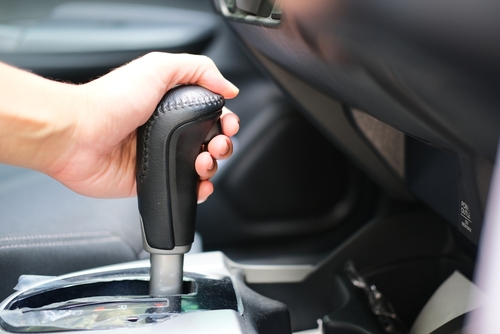
Whether you have an automatic or manual transmission, it’s essential to stay vigilant about potential transmission problems. Here are some common transmission issues and tips for preventing them:
1. Transmission Slippage
Slipping occurs when the transmission struggles to stay in gear, leading to poor acceleration and unstable shifting.
- Prevention: Regular fluid checks and changes can help prevent slippage, as low or dirty fluid is a common cause. Keeping the transmission cool through regular maintenance also helps prevent slippage.
2. Grinding or Shaking
If you experience grinding or shaking while shifting gears, it’s a sign that something is wrong with the transmission.
- Prevention: For manual transmissions, avoid riding the clutch, and for automatics, ensure the fluid is regularly flushed and topped up.
3. Delayed Shifting
A delay in shifting gears can indicate that the transmission fluid is low or contaminated.
- Prevention: Routine fluid changes and filter replacements can help prevent delayed shifting in automatic transmissions.
4. Leaking Transmission Fluid
Transmission fluid leaks can lead to overheating and serious damage to both automatic and manual systems.
- Prevention: Regularly check for leaks under the vehicle and address any problems immediately to prevent further damage.
FAQs About Automatic vs. Manual Transmission Servicing
1. How often should I service my transmission?
For automatic transmissions, it’s recommended to service the transmission every 30,000 to 60,000 miles, including fluid and filter changes.
Manual transmissions can go longer between services, typically around 60,000 miles, but always follow your vehicle manufacturer’s guidelines.
2. Can I service my transmission myself?
Basic transmission maintenance, such as changing fluid, can be done by knowledgeable car owners for manual transmissions.
However, for automatic transmissions, which are more complex, it’s usually best to leave servicing to a professional.
3. What happens if I don’t service my transmission?
Failing to service your transmission can lead to severe issues, including transmission slippage, overheating, and eventual failure.
Regular maintenance is essential for extending the lifespan of your transmission and avoiding costly repairs.
4. Are manual transmissions cheaper to maintain than automatics?
Yes, manual transmissions are generally cheaper to maintain because they have fewer components and simpler designs. However, replacing a clutch in a manual transmission can still be expensive.
5. How can I tell if my transmission needs servicing?
Signs that your transmission needs servicing include unusual noises (like grinding or whining), delayed shifting, slipping gears, fluid leaks, or a burning smell. If you notice any of these symptoms, schedule a service as soon as possible.
Automatic vs Manual Transmission Servicing – Conclusion
Both automatic and manual transmissions require regular servicing to maintain performance and prevent costly repairs.
While automatic transmissions tend to be more complex and expensive to maintain, manual transmissions also need attention, especially when it comes to clutch wear and fluid changes.
Understanding the key differences in servicing requirements and staying proactive with maintenance will help ensure that your vehicle’s transmission runs smoothly for years to come!
Are you seeking professional and reliable car servicing workshops or repair centers in Singapore? Contact us today!