
How to Choose the Right Car Battery for Your Vehicle?
March 23, 2023
Why Skipping Car Servicing Can Lead to Higher Repair Costs
July 10, 2023Can Regular Car Servicing Improve Fuel Efficiency?

Can Regular Car Servicing Improve Fuel Efficiency
Are you wondering if regular car servicing can improve fuel efficiency?
Undeniably, fuel efficiency is a paramount consideration for many car owners, not just for the significant cost savings it affords but also due to the environmental benefits it brings.
This naturally raises the question: Can regular car servicing improve fuel efficiency?
The brief answer is: Yes, regular car servicing can drastically improve your car’s fuel efficiency.
But how you might ask?
This article will elaborate on this concept, providing insights into the importance of regular car maintenance and its direct impact on fuel economy.
The Impact of Regular Car Servicing on Fuel Efficiency
To understand the mechanism behind this phenomenon, let’s delve into the details:
- Engine Oil Optimization: Engine oil serves as the lifeblood of your vehicle. It ensures a smooth operation by reducing friction among various engine parts.
Regular oil changes ensure optimal viscosity and the removal of any damaging grit or dirt.
An engine that runs smoothly with minimal friction will naturally consume less fuel. - Tire Maintenance: Under-inflated or poorly aligned tires increase road resistance, compelling the engine to work harder and use more fuel.
Regular tire checks and maintenance can ensure they’re in optimal condition to support better fuel efficiency. - Spark Plugs and Filters: Over time, spark plugs can wear out, and filters can get clogged.
When these components aren’t in their prime, the engine compensates by consuming more fuel.
Regular checks and replacements can mitigate this problem.
Investing in High-Quality Parts and Fluids
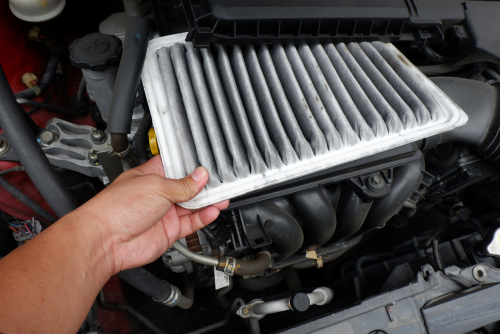
Investing in high-quality parts and fluids for your vehicle can further enhance fuel efficiency.
These components might come with a higher upfront cost, but they can lead to significant savings in fuel consumption over time.
- High-Quality Filters: High-quality air and fuel filters ensure a more efficient fuel burn and enhance fuel economy. They last longer and provide better protection to your engine, contributing to overall vehicle health.
- Synthetic Engine Oil: Synthetic oils are designed to reduce friction better than their conventional counterparts. This helps the engine run more smoothly, improving fuel efficiency and prolonging engine life.
- High-Performance Spark Plugs: High-performance spark plugs can enhance combustion, ensuring fuel burns more efficiently. This can lead to an improvement in fuel economy and the overall performance of your vehicle.
FAQs
Q: Why does regular car servicing matter for fuel efficiency?
A: Regular car servicing ensures that your vehicle is working in its most optimal condition.
When parts are well-maintained, they function smoothly, reducing the engine’s effort, directly correlating to less fuel consumption.
Q: How often should I service my car to improve fuel efficiency?
A: The frequency of servicing varies based on the make and model of your car.
However, a general rule of thumb is to get your car serviced every 12,000 miles or 12 months.
Always refer to your vehicle’s user manual for specific guidance.
Q: Can fuel additives improve my car’s fuel efficiency?
A: Certain fuel additives can improve fuel efficiency by cleaning the fuel system, reducing carbon buildup, and enhancing combustion.
Expert Tips for Maximizing Fuel Efficiency
Here are some practical tips from industry experts to help maximize your car’s fuel efficiency:
- Keep Your Car’s Weight in Check: The heavier the car, the harder your engine works to keep it moving. Avoid carrying unnecessary weight to save fuel.
- Maintain a Steady Speed: Frequent acceleration and braking can increase fuel consumption. Maintain a steady speed where possible and use cruise control on highways.
- Use Air Conditioning Sparingly: Air conditioning systems use engine power and can increase fuel usage. Use it judiciously.
| Car Servicing Aspect | How It Improves Fuel Efficiency |
|---|---|
| 1. Regular Oil Changes | Clean oil reduces engine friction, which can improve fuel efficiency. |
| 2. Air Filter Replacement | A clean air filter improves air flow to the engine and increases its efficiency, thereby improving fuel economy. |
| 3. Fuel System Cleaning | Removing deposits in the fuel system can improve fuel combustion, leading to better fuel economy. |
| 4. Tire Maintenance | Properly inflated and aligned tires can reduce the amount of drag your car has to overcome, improving fuel efficiency. |
| 5. Brake Maintenance | Smoothly functioning brakes can prevent unnecessary brake wear and tear, which can reduce fuel efficiency. |
| 6. Checking and Replacing Spark Plugs | Spark plugs in good condition ensure optimal combustion, improving engine performance and fuel economy. |
| 7. Keeping the Car’s Weight Down | Regular service can help identify unnecessary weight (like excess clutter), reducing the amount of work the engine must do and thus improving fuel efficiency. |
Developing a Regular Maintenance Schedule
A regular maintenance schedule is essential in maintaining your car’s fuel efficiency.
It ensures timely care of various components and allows for early detection of potential issues that could lead to increased fuel consumption.
- Regular Oil Changes: As mentioned, engine oil is your vehicle’s engine lubricant.
Over time, the oil degrades and becomes less effective, increasing friction and, consequently, more fuel consumption.
Regular oil changes (every 3,000 to 5,000 miles or as the vehicle manufacturer recommends) are crucial for optimal engine performance and fuel efficiency. - Routine Tire Checks: Tire pressure should be checked regularly, ideally every month, and tires should be rotated every 6,000 to 8,000 miles to ensure even wear.
Underinflated or misaligned tires can lead to increased fuel consumption. - Regular Inspection of Spark Plugs and Filters: Spark plugs and filters (air, oil, fuel) should be inspected regularly.
If dirty or worn out, they should be replaced per the manufacturer’s recommendation.
Regular inspection and replacement of these components can lead to noticeable improvements in fuel efficiency.
Tracking Your Fuel Efficiency

Tracking your car’s fuel efficiency over time is always a good idea. This can be as simple as recording the fuel you put in and the mileage you get out of it.
Monitoring fuel efficiency can also show how well your regular car maintenance and driving habits are working.
If you do not see an improvement, it might be time to revisit your maintenance schedule or driving habits.
Can Regular Car Servicing Improve Fuel Efficiency? – Conclusion

In conclusion, regular car servicing can significantly enhance fuel efficiency.
It’s an investment that saves money in the long run by reducing fuel costs and minimizing the potential for expensive car repairs.
Embrace the routine of regular maintenance and enjoy the benefits of improved performance and fuel economy.
With the proper servicing routine and driving habits, you can be eco-friendlier while enjoying the benefits of cost savings on fuel.
In the race for fuel efficiency, regular car servicing isn’t just the pit stop – it’s the winning strategy!
Please note that this article’s guidance should serve as a general overview, and specific practices may vary based on the individual vehicle, its make, model, and year.
Always refer to your vehicle’s user manual for detailed instructions.
Remember, being a responsible car owner isn’t just about enhancing your driving experience; it also means contributing positively to the environment.
So, here’s to more miles and smiles with regular car servicing!
Are you seeking professional and reliable car servicing services? Contact us today!